
 By
Billy Fellows
Published 2 hours ago
Billy is a Senior Features Author for Collider. Having written over 300 articles in just over a year, Billy regularly covers the biggest TV shows and films releasing while also analysing some of the most underrated properties that may slip your attention.
Having studied for an MA in Screenwriting at UAL in 2023, Billy honed his writing skills and also developed his ability to critique the work of other creative minds.
Before that, Billy studied politics at the University of Nottingham, which helped him to bring nuanced and scholarly analysis to the frameworks within which filmmakers and writers have framed their thematic messages.
Sign in to your Collider account
Add Us On
Summary
Generate a summary of this story
follow
Follow
followed
Followed
Like
Like
Thread
Log in
Here is a fact-based summary of the story contents:
Try something different:
Show me the facts
Explain it like I’m 5
Give me a lighthearted recap
By
Billy Fellows
Published 2 hours ago
Billy is a Senior Features Author for Collider. Having written over 300 articles in just over a year, Billy regularly covers the biggest TV shows and films releasing while also analysing some of the most underrated properties that may slip your attention.
Having studied for an MA in Screenwriting at UAL in 2023, Billy honed his writing skills and also developed his ability to critique the work of other creative minds.
Before that, Billy studied politics at the University of Nottingham, which helped him to bring nuanced and scholarly analysis to the frameworks within which filmmakers and writers have framed their thematic messages.
Sign in to your Collider account
Add Us On
Summary
Generate a summary of this story
follow
Follow
followed
Followed
Like
Like
Thread
Log in
Here is a fact-based summary of the story contents:
Try something different:
Show me the facts
Explain it like I’m 5
Give me a lighthearted recap
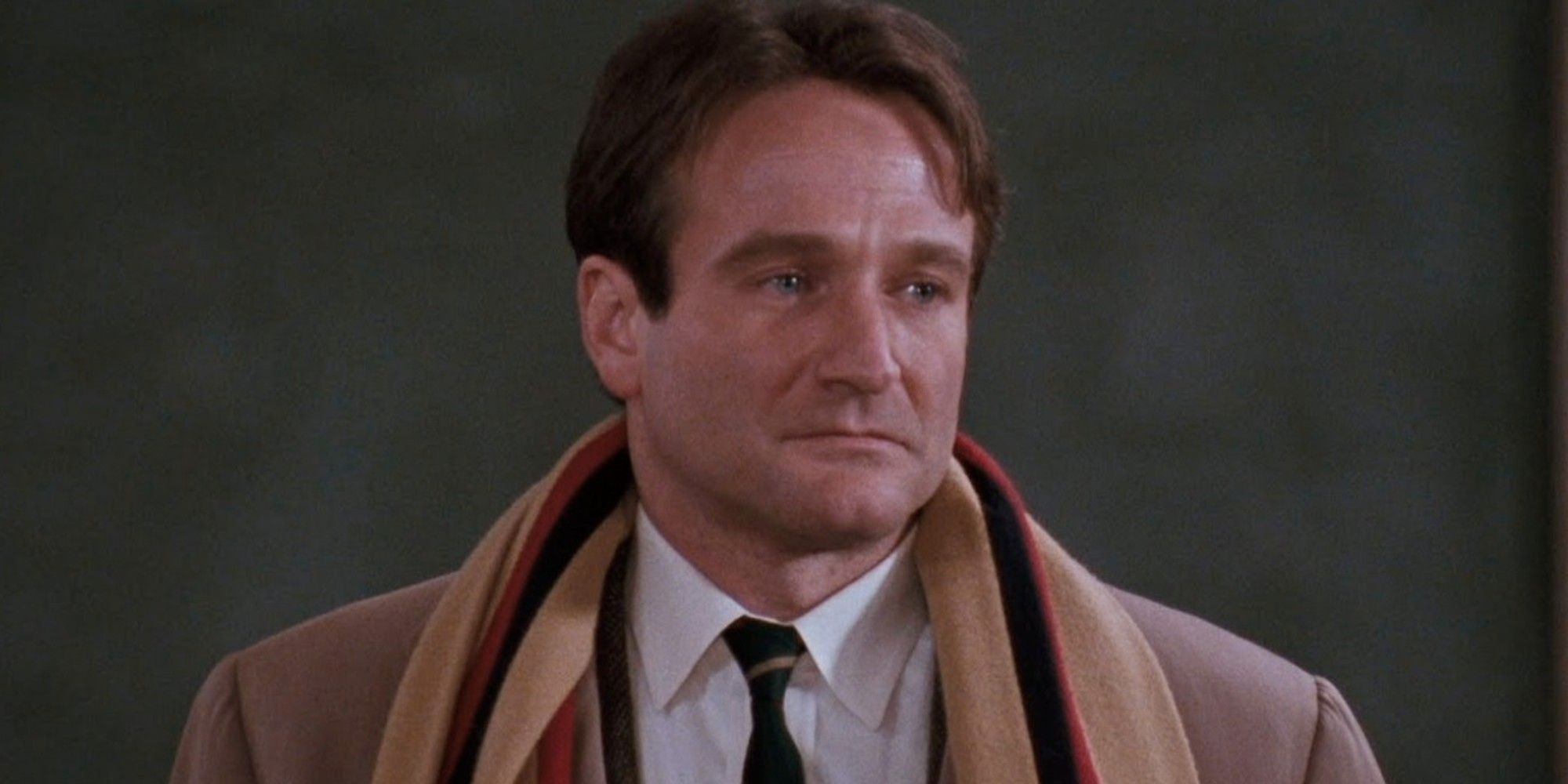
Ethan Hawke's career spans over 35 years, working with some of the finest talents the filmmaking industry has to offer, from directors like Richard Linklater and Spike Lee to acting titans including Denzel Washington and Philip Seymour Hoffman. Like in any job or passion, Hawke’s level of skill comes as much from the lessons he has learned along his journey as from his natural talent. One valuable lesson came from the legendary Robin Williams. By watching Williams on the set of Dead Poets Society, Hawke saw Williams address a common dilemma faced by many actors: should you simply deliver the lines as written, or use the script as a tool to interpret and reveal the character's true nature, sometimes finding an even better way to communicate that essence? Williams' answer was, perhaps unsurprisingly, the latter, and it reveals so much about the creative process that produces masterpieces.
Ethan Hawke Learned to Improvise From Robin Williams on the Set of 'Dead Poets Society'
During an interview with Vanity Fair, Hawke spoke about his fascination with witnessing how Robin Williams' free-spirited approach to acting differed from director Peter Weir's more scripted methodology. Hawke described how “Robin Williams didn’t do the script, and I didn’t know you could do that. If he had an idea, he just did it. He didn’t ask permission. And that was a new door that was opened to my brain, that you could play like that.” It isn't a shock that a young actor would be in awe at such agency, especially when considering how it conflicted with the director.
 Related
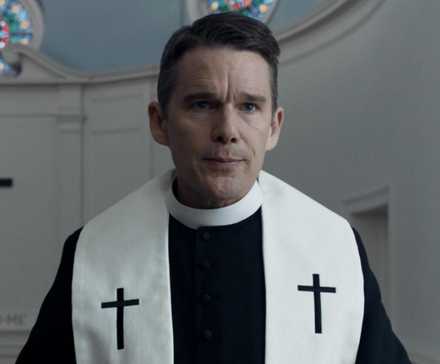
10 Essential Ethan Hawke Movies, Ranked
Related
10 Essential Ethan Hawke Movies, Ranked
Why the hell has he never won an Oscar?
Posts 1 By Luc HaasbroekHawke explained that, for Weir, directing Williams was "not an easy thing to do," but, rather than the typical Hollywood drama one would expect from a differing of method, it didn't cause a clash; in fact, "Peter liked it, as long as we still achieved the same goals that the script had." This exemplifies what Hawke calls "collective imagination." The idea that making a film brings together the diverse ideas and creativity of many people, since no two minds think alike.
Robin Williams' Comedic Background Gave Him the Confidence to Improvise in 'Dead Poets Society'
Robin Williams' use of improv in a film is not a surprising revelation. There is a reason he is known as one of the most genuinely funny actors to ever live, with films such as Good Morning Vietnam, Aladdin, and Mrs Doubtfire all showcasing his rapid-fire delivery of hilarious impressions and skits. Even in Dead Poets Society, his scene where he impersonates Marlon Brando performing William Shakespeare's works feels like a classic use of his talents, and Hawke agreed that Williams was indeed bringing this background to the far more dramatic Weird project. As Hawke pointed out, “Robin is a comic genius. But dramatic acting was still new to Robin at that time,” showing how he was relying on what had succeeded previously. Yet, not only did it work in the final product, but it is a testament to how impressive Williams' improv skills were that they could stretch beyond comedy to different genres and tones, showing how he understood not just how to make people laugh, but what the true crux of the narrative was in all aspects of storytelling.
The success of Williams' improv, as well as Hawke and Weir's respect for the tool, provides an interesting commentary on filmmaking and writing in general. While everyone loves a well-written scene or a stunt that involved huge amounts of choreography and planning, there is something about improvised lines, that can create a natural feeling that immerses the audience in the narrative, creating moments of pure movie gold. The fact that both approaches have their benefits is why some directors, such as Weir and Martin Scorsese, welcome improv, while others, like David Cronenberg and Mike Leigh, prefer their actors to stick to the script. Yet, the case of Robin Williams and the lessons he imparted to Ethan Hawke do prove the value of such freedom in filmmaking. Even outside of filmmaking, on a moral level, just because something is different to your own way of thinking, that doesn't mean it is inherently invalid, as there are always things to learn from differing perspectives.
Subscribe to the newsletter for more filmmaking lessons
Discover deeper filmmaking insights—subscribe to our newsletter for in-depth takes on improvisation, directing choices, and acting craft, plus interviews and behind-the-scenes lessons that illuminate how memorable performances are built. SubscribeSubscribe to the newsletter for more filmmaking lessons
Discover deeper filmmaking insights—subscribe to our newsletter for in-depth takes on improvisation, directing choices, and acting craft, plus interviews and behind-the-scenes lessons that illuminate how memorable performances are built. Subscribe By subscribing, you agree to receive newsletter and marketing emails, and accept Valnet’s Terms of Use and Privacy Policy. You can unsubscribe anytime.Dead Poets Society is available to stream on Hulu in the U.S.
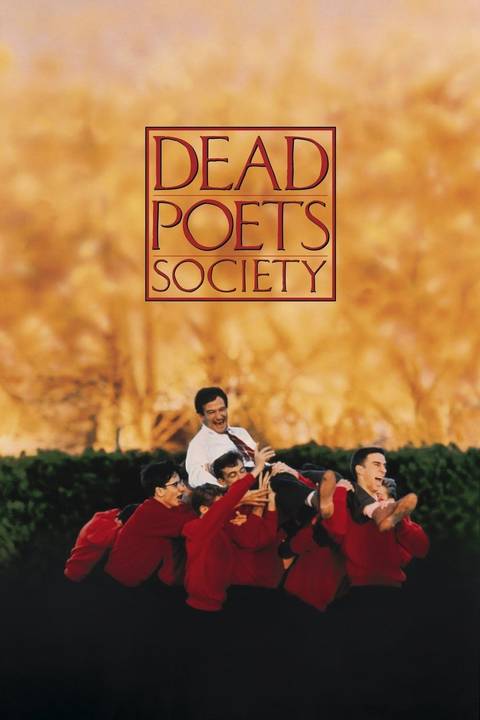
Dead Poets Society
Like Follow Followed PG Drama Release Date June 2, 1989 Runtime 129 minutes Director Peter Weir Writers Tom Schulman Producers Paul Junger Witt, Steven HaftCast
See All-
 Robin Williams
John Keating
Robin Williams
John Keating
-
 Robert Sean Leonard
Neil Perry
Robert Sean Leonard
Neil Perry
 Expand
Collapse
Expand
Collapse
-
 Ethan Hawke
-
 Dead Poets Society
What To Watch
 July 20, 2025
The 72 Best Movies on Netflix Right Now
Trending Now
7:47
July 20, 2025
The 72 Best Movies on Netflix Right Now
Trending Now
7:47
 'Austin Powers 4': Director Reveals Status of Another Mike Myers Sequel and if Jim Carrey Was Going to Play Dr. Evil
 The 25 Best Harvey Specter Quotes in 'Suits,' Ranked
 The 30 Best Shows With Short (30 Minute or Less) Episodes